.svg)
ACL Injury Treatment Without Surgery – Physiotherapy & Rehabilitation in West End Brisbane
Evidence-based physiotherapy programs to help people recover from ACL injuries, restore knee stability and safely return to sport without surgery where appropriate.
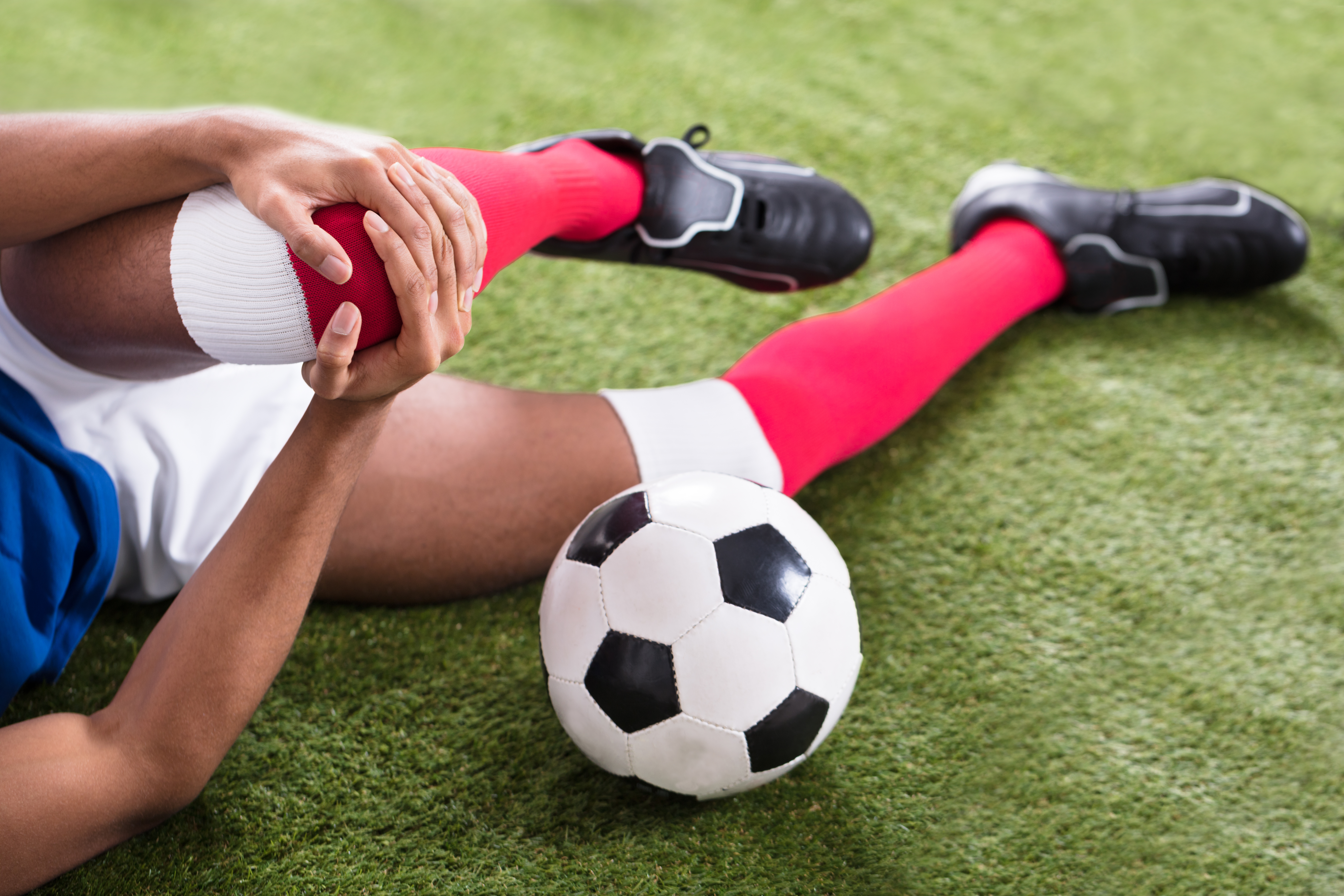
Anterior Cruciate Ligament (ACL) tears are a common injury, often occurring during sports or activities that involve sudden stops, changes
in direction, or pivoting. An ACL tear can be a very impactful not only an individual's athletic performance but also their overall
quality of life. In recent years, advances in medical research have paved the way for evidence-based treatments that optimize recovery and
improve outcomes for those with ACL tears.
What Is an ACL Injury?
An ACL injury occurs when the anterior cruciate ligament (ACL) in the knee becomes stretched, partially torn, or completely ruptured. The ACL is one of the major stabilising ligaments of the knee joint and plays an important role in controlling movement and protecting the knee during dynamic activities.
The ACL connects the femur (thigh bone) to the tibia (shin bone) and helps stabilise the knee during movements such as pivoting, cutting, jumping and rapid changes in direction. It also helps control forward movement of the shin relative to the thigh and contributes to overall knee stability during sport and physical activity.
When an ACL tear or knee ligament injury occurs, the knee may feel unstable, particularly during movements that involve twisting or sudden direction changes. Some people experience a distinct “pop” at the time of injury followed by swelling, pain and difficulty continuing activity.
ACL injuries are most commonly caused by non-contact movements, particularly when the knee is placed under high load while changing direction or landing from a jump. Common mechanisms include:
- sudden pivoting or twisting movements
- awkward landing from a jump
- rapid deceleration or stopping
- changing direction quickly while running
- direct impact to the knee during sport
These types of movements place significant stress on the ACL ligament and can lead to a partial or complete ACL tear.
ACL injuries occur most frequently in sports that involve cutting, pivoting and jumping, including:
- football (soccer, AFL and rugby)
- netball
- basketball
- skiing and snowboarding
- tennis and racquet sports
- field hockey
- gymnastics and other jumping sports
Although ACL injuries are commonly associated with athletes, they can also occur during recreational sport, gym training or accidental twisting injuries.
If you suspect you may have sustained an ACL injury or other knee ligament injury, early physiotherapy assessment is important. A physiotherapist can evaluate knee stability, diagnose the injury and guide an appropriate rehabilitation program to restore strength, control and confidence in the knee.
Symptoms of an ACL Tear

An ACL tear or other knee ligament injury often occurs suddenly during sport or physical activity. Many people describe a distinct moment when the injury happens, followed by rapid changes in how the knee feels and functions.
The symptoms of an ACL injury can vary depending on whether the ligament is partially or completely torn, but most people experience a combination of pain, swelling and instability in the knee.
Common symptoms of an ACL tear include:
-
A popping sound or sensation in the knee
Many people report hearing or feeling a sudden “pop” at the moment of injury. This can occur when the ACL ligament tears during a pivoting or landing movement.
-
Rapid swelling of the knee joint
Swelling often develops within the first few hours after the injury. This occurs because bleeding within the knee joint (called a haemarthrosis) is common when the ACL is damaged.
-
Knee instability or a feeling that the knee is not stable
The ACL plays a key role in stabilising the knee. When the ligament is torn, the knee may feel unstable or less controlled, particularly during walking, turning or descending stairs.
-
Difficulty pivoting or changing direction
Activities that involve twisting, cutting or rapid changes in direction often become difficult after an ACL injury. These movements place higher demands on the ligament for stability.
-
The knee giving way during sport or activity
Some people notice that the knee suddenly “gives way” or buckles when attempting to run, pivot or land from a jump. This can be a sign that the knee is not providing sufficient stability during movement.
Other symptoms that may occur after an ACL injury or knee ligament injury include reduced range of motion, difficulty fully straightening or bending the knee, and weakness around the joint.
If you experience symptoms consistent with an ACL tear, it is important to seek assessment from a physiotherapist or healthcare professional. Early evaluation can help confirm the diagnosis, assess knee stability and determine the most appropriate treatment pathway.
Can an ACL Tear Heal Without Surgery?
For many years, ACL reconstruction surgery was commonly recommended for most people who sustained an ACL tear.
However, modern research and advances in rehabilitation have shown th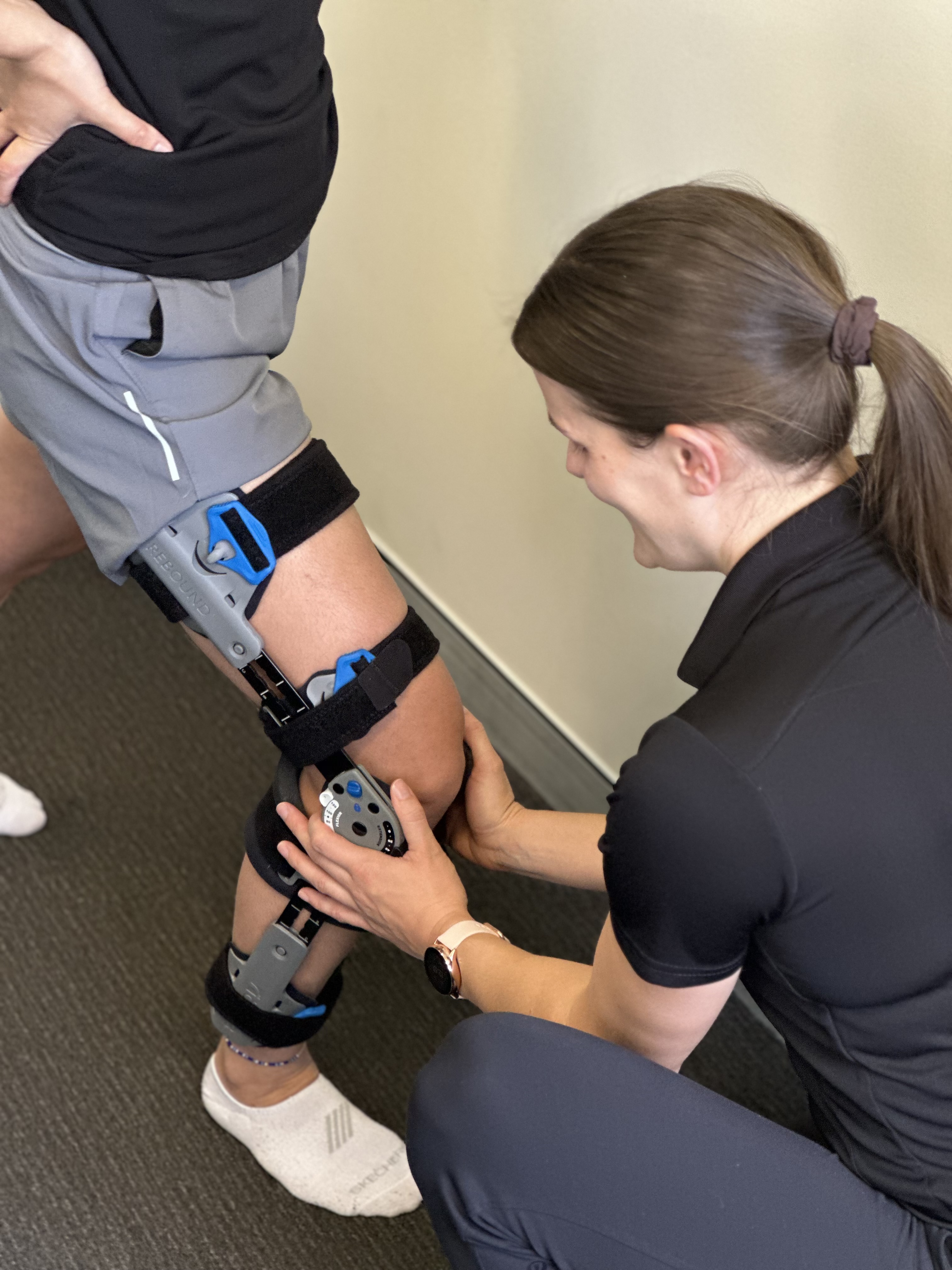 at
not every ACL injury requires surgery. Some individuals are able to return to good levels of activity with a structured
physiotherapy rehabilitation program.
at
not every ACL injury requires surgery. Some individuals are able to return to good levels of activity with a structured
physiotherapy rehabilitation program.
Whether an ACL injury can be managed without surgery depends on several factors, including the severity of the injury, the stability of the knee, the type of sport or activity a person participates in, and their response to rehabilitation.
What Does Current Research Show?
Recent research has highlighted that a proportion of people with ACL injuries can achieve excellent functional outcomes without surgical reconstruction when they complete a well-structured rehabilitation program. Studies comparing surgical and non-surgical pathways have found that some individuals are able to return to work, exercise and even certain sports after physiotherapy-led rehabilitation.
Importantly, the key to successful non-surgical management is progressive rehabilitation focused on restoring strength, movement control and knee stability.
ACL “Copers” and “Non-Copers”
Following an ACL injury, people are often described as either “ACL copers” or “non-copers.”
ACL copers are individuals who are able to regain sufficient knee stability through rehabilitation and can return to many daily activities or sports without experiencing repeated episodes of the knee giving way.
Non-copers, on the other hand, continue to experience significant knee instability despite rehabilitation and may require surgical reconstruction to restore stability, particularly if they wish to return to high-level pivoting sports.
Early physiotherapy assessment can help identify whether someone may be more likely to function as an ACL coper or whether surgical consultation may be appropriate.
The Role of Physiotherapy in ACL Rehabilitation
Physiotherapy plays a critical role in the management of ACL injuries, whether treatment involves surgery or not. For individuals pursuing non-surgical ACL management, physiotherapy rehabilitation focuses on improving the stability and function of the knee through targeted exercise and movement training.
A structured rehabilitation program typically includes:
- strengthening the quadriceps, hamstrings and hip muscles
- improving neuromuscular control and balance
- retraining movement patterns such as squatting, jumping and landing
- gradually progressing toward running and sport-specific activities
Through progressive strengthening and movement retraining, physiotherapy can help many individuals restore confidence, control and functional stability in the knee.
A thorough assessment by a physiotherapist can help determine whether non-surgical ACL management is a suitable pathway and guide the development of an individualised rehabilitation program.
Who Is Suitable for Non-Surgical ACL Management?
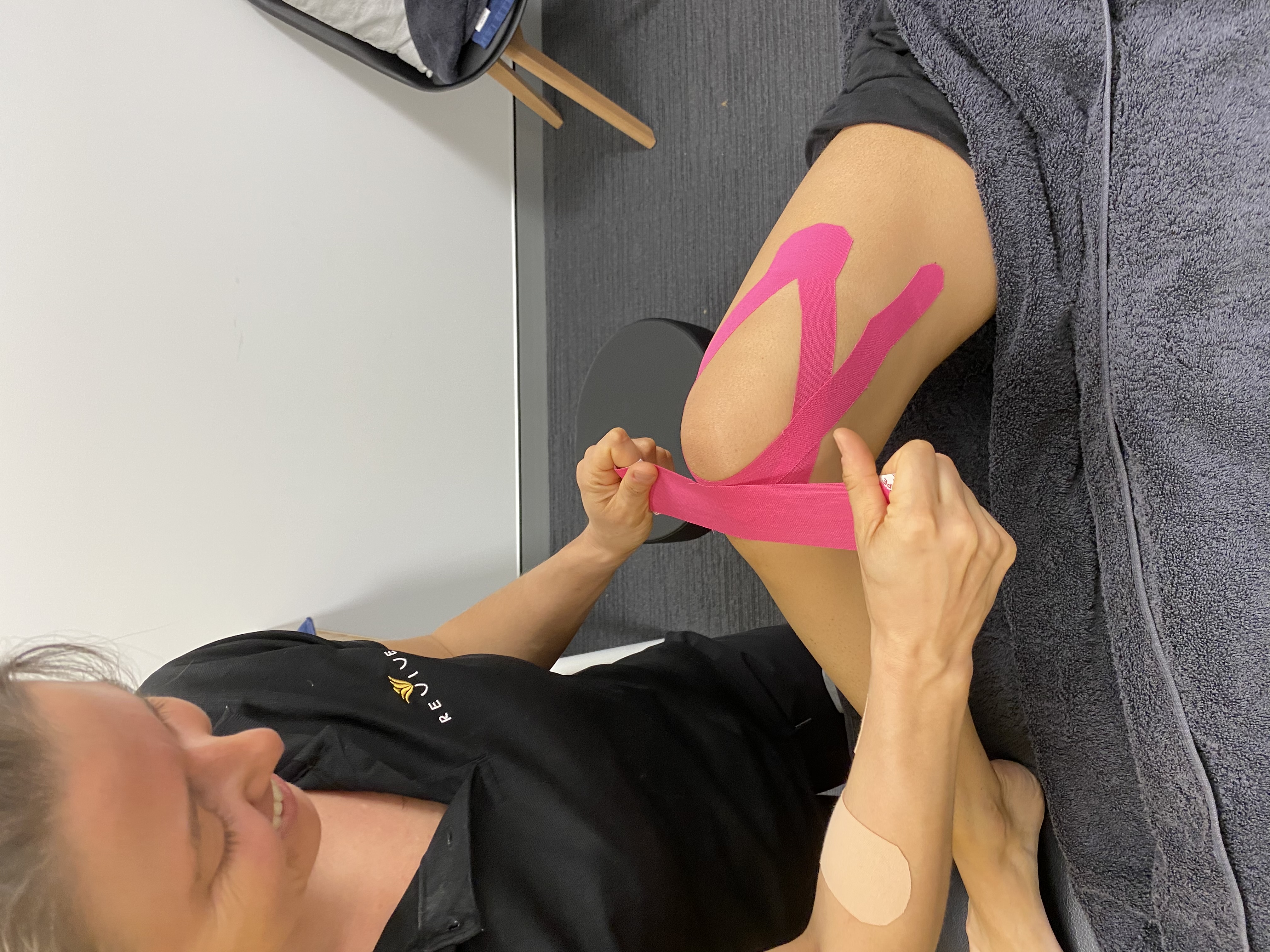
Not every ACL injury requires surgical reconstruction. For some individuals, a carefully structured physiotherapy rehabilitation program can successfully restore knee function and stability. Determining whether non-surgical ACL management is appropriate depends on several factors, including the type of injury, knee stability and the physical demands of a person’s lifestyle or sport.
A physiotherapy assessment can help determine whether rehabilitation without surgery may be a suitable treatment pathway.
Partial ACL Tears
Some ACL injuries involve only a partial tear of the ligament rather than a complete rupture. In these cases, a portion of the ligament may still be intact and able to contribute to knee stability.
With targeted strengthening and neuromuscular training, individuals with partial ACL tears may be able to regain good knee function and return to many activities without surgery.
Knees That Demonstrate Good Stability
Some people are able to develop strong muscular support around the knee following an ACL injury. When the surrounding muscles — particularly the quadriceps, hamstrings and hip muscles — become stronger and more coordinated, they can help compensate for the damaged ligament.
If the knee demonstrates good functional stability during rehabilitation, non-surgical management may be a viable option. Physiotherapists assess this through movement testing, strength testing and functional tasks.
Participation in Lower Pivot or Straight-Line Sports
The demands of sport and physical activity are an important consideration when deciding on treatment options.
Individuals who primarily participate in activities that involve straight-line movement rather than frequent pivoting or cutting may be better suited to non-surgical ACL management. Examples include:
- recreational running
- cycling
- gym training
- hiking
- swimming
Sports that involve frequent rapid changes of direction, such as football, netball or basketball, place greater stress on the ACL and may require careful assessment when determining treatment options.
Commitment to a Structured Rehabilitation Program
Successful non-surgical ACL management requires commitment to a progressive rehabilitation program. Physiotherapy rehabilitation typically involves several months of structured strengthening, movement retraining and gradual return to activity.
Individuals who are motivated to complete a consistent rehabilitation program and follow physiotherapy guidance are more likely to achieve good outcomes without surgery.
Individual Assessment Is Essential
Every ACL injury is different. A detailed physiotherapy assessment can help determine whether non-surgical management is appropriate by evaluating:
- knee stability
- strength and muscle control
- movement patterns
- sport and activity goals
Based on this assessment, a physiotherapist can guide the most appropriate pathway and develop a personalised rehabilitation program designed to restore knee function and support long-term joint health.
ACL Rehabilitation Program (Richardson Protocol Principles)
Rehabilitation is a critical component of recovery following an ACL injury, particularly for individuals pursuing non-surgical ACL management. A structured rehabilitation program focuses on restoring strength, knee stability and movement control so that the knee can safely tolerate everyday activity, exercise and sport.
At Revive, ACL rehabilitation follows evidence-based principles similar to those used in the Richardson ACL rehabilitation framework, which emphasises progressive strengthening, neuromuscular control and functional movement training. Rehabilitation progresses through a series of phases, with each stage building the capacity required for the next.
Progression between phases is guided by clinical assessment and functional testing to ensure the knee is ready for increasing levels of demand.
Phase 1 – Early Knee Recovery
The first stage of rehabilitation focuses on protecting the knee and restoring basic joint function following the injury.
Key goals of this phase include:
- Reducing swelling and inflammation within the knee joint
- Restoring normal range of motion, particularly the ability to fully straighten and bend the knee
- Reactivating the quadriceps muscles, which often become inhibited following ACL injury
- Re-establishing a normal walking pattern
Early exercises may include gentle range-of-motion exercises, quadriceps activation exercises, and controlled weight-bearing activities designed to promote recovery without placing excessive stress on the knee.
Regaining full knee extension and improving quadriceps function are particularly important in the early stages of rehabilitation, as they provide the foundation for later strengthening work.
Phase 2 – Strength Development
Once pain and swelling have improved and basic knee movement has been restored, rehabilitation progresses to developing strength around the knee and hip.
Strong muscles surrounding the knee help improve joint stability and reduce the load placed on the injured ligament.
Exercises during this stage commonly focus on strengthening:
- Quadriceps muscles, which are essential for knee stability and shock absorption
- Hamstrings, which assist in controlling forward movement of the shin relative to the thigh
- Hip and glute muscles, which play an important role in controlling lower limb alignment during movement
Strengthening exercises may include variations of squats, lunges, step-ups and controlled resistance training. The goal is to develop strong, well-coordinated muscles that support the knee during functional activities.
Phase 3 – Neuromuscular Control
As strength improves, rehabilitation progresses toward developing neuromuscular control, which refers to the body’s ability to coordinate muscle activity and joint movement.
This phase focuses on improving the knee’s ability to respond to dynamic movements and changing loads.
Training in this stage may include:
- Balance exercises to improve joint awareness and control
- Single-leg strength and stability exercises to develop control during weight-bearing activities
- Agility and coordination drills to improve movement efficiency and reaction to changing forces
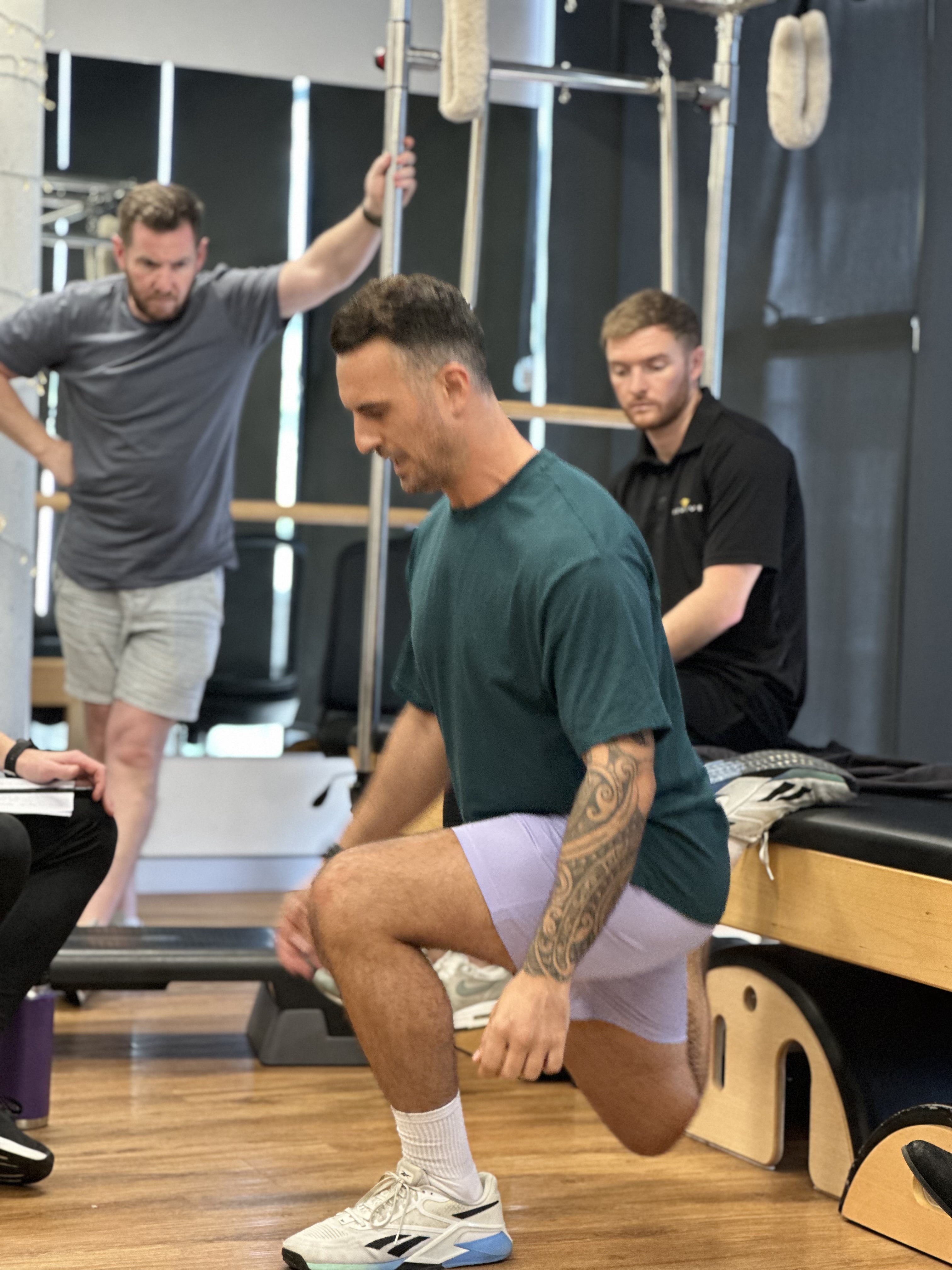
These exercises help prepare the knee for more demanding activities such as running, jumping and rapid direction changes.
Developing good movement mechanics during this phase is essential for reducing the risk of reinjury.
Phase 4 – Return to Sport
The final phase of ACL rehabilitation focuses on preparing individuals for return to running, sport or higher-level activity.
At this stage, rehabilitation becomes increasingly sport-specific and aims to ensure the knee can tolerate the physical demands of the individual’s chosen activities.
Training may include:
- Progressive running programs to gradually reintroduce impact loading
- Cutting and change-of-direction drills to prepare for dynamic sport movements
- Jumping and landing mechanics to develop safe movement patterns
- Sport-specific drills that simulate the movements required during play
Functional testing is often used to assess readiness for return to sport, ensuring that strength, stability and movement control are sufficient before progressing to full participation.
A structured rehabilitation program guided by an experienced physiotherapist is essential for achieving the best possible outcomes after an ACL tear. Progression through each stage is individualised, ensuring that strength, stability and confidence in the knee are restored safely and effectively.
ACL Rehabilitation Timeline
Recovery following an ACL injury is a gradual and progressive process. A structured ACL rehabilitation timeline helps ensure the knee regains strength, stability and movement control before returning to higher-level activities or sport.
The exact timeline varies depending on the severity of the ACL tear, individual healing, and commitment to rehabilitation. However, most physiotherapy programs follow a similar progression, with each stage building on the previous one.
Below is a general overview of how ACL rehabilitation without surgery typically progresses.
Weeks 1–4: Early Recovery and Knee Function
The initial phase of rehabilitation focuses on settling the knee following the injury and restoring basic joint movement.
Key goals during this stage include:
- Reducing swelling and inflammation within the knee
- Restoring full range of motion, particularly the ability to fully straighten the knee
- Reactivating the quadriceps muscles, which often become inhibited after injury
- Normalising walking patterns and weight bearing
Exercises during this phase may include gentle range-of-motion exercises, quadriceps activation exercises, and controlled strengthening work. Restoring early knee control provides the foundation for later stages of rehabilitation.
Weeks 4–12: Strength Development
Once swelling has settled and knee movement has improved, the focus shifts to developing strength in the muscles that support the knee joint.
During this phase, physiotherapy rehabilitation aims to build strength in:
- Quadriceps muscles to support knee stability
- Hamstrings, which assist in controlling forward movement of the shin
- Hip and glute muscles, which help maintain proper lower limb alignment
Strength exercises may include squats, lunges, step-ups and progressive resistance training. Building strength in these muscle groups is essential for improving knee stability and preparing the body for more dynamic movement.
Months 3–6: Running and Movement Control
As strength improves, rehabilitation progresses toward more dynamic activities that challenge balance, coordination and neuromuscular control.
This phase often introduces:
- Single-leg strength exercises
- Balance and proprioception training
- Agility drills and movement retraining
- Gradual return to running programs
These exercises help prepare the knee to tolerate higher loads and develop t he
control required for sport and physical activity.
he
control required for sport and physical activity.
Months 6+: Return to Sport and High-Level Activity
The final stage of ACL rehabilitation focuses on preparing the knee for sport-specific demands.
At this stage, training may include:
- Cutting and change-of-direction drills
- Jumping and landing mechanics
- Acceleration and deceleration training
- Sport-specific drills tailored to the individual’s activity
Before returning fully to sport, physiotherapists often perform functional testing to ensure the knee has regained sufficient strength, stability and control.
Although recovery timelines vary, following a structured ACL rehabilitation program guided by an experienced physiotherapist is essential for restoring knee function and reducing the risk of reinjury.
If you have recently sustained an ACL tear or knee ligament injury, early physiotherapy assessment can help guide the most appropriate rehabilitation pathway and support a safe return to activity.
.