.svg)
Perimenopause and Menopause Physiotherapy in West End Brisbane
Perimenopause & Menopause Physio Brisbane | Pelvic Health & Hormone Support
Struggling with menopause symptoms like joint pain, pelvic floor issues or fatigue?
Our physiotherapists in West End Brisbane provide personalised treatment to help you move well, feel well and live well.
We are excited to be introducing our new 12 week 'THRIVE THROUGH MENOPAUSE PROGRAM". To launch the program we are hosting a 90 workshop on Tuesday 28th April - details below and link to more info and where to book and pay online:
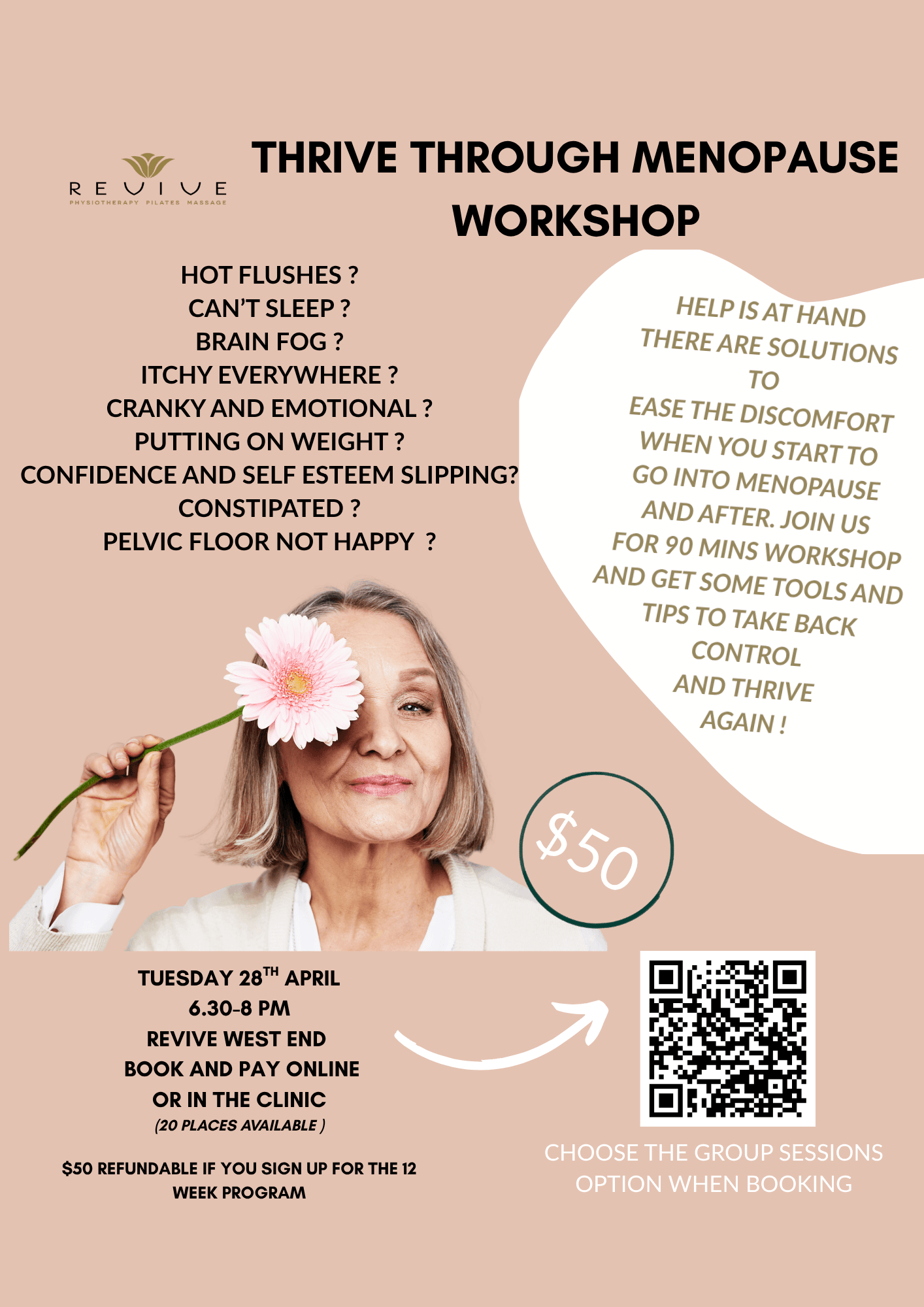
Understanding your body - empowering your next chapter
Perimenopause and menopause are some of the hardest times where your body goes through life altering changes. These range from hot flushes and night sweats, pelvic floor weakness and pain, sleep disturbances, dryness, massive mood changes to gut and deficiencies. It's important you have support from a professional in these times to manage your symptoms and give guidance on appropriate treatment or aids.
Difficulties during these stages are real and they affect your life massively. We specialise in women's health physiotherapy designed to help you understand this stage and guide you through so you can still do the things you love.
.jpg)
.jpg)
Experienced Clinicians – Our team has a high level of expertise dealing with a variety of pelvic conditions.
Evidence-Based Care – We use the latest research and clinical guidelines to inform your treatment.
Holistic Approach – We consider your lifestyle, goals, and wellbeing—not just your pain.
Supportive Environment – We take the time to listen, educate, and support you every step of the way.
WHY THIS HAPPENS ?
Why Menopause Causes Joint Pain, Pelvic Floor Changes and Reduced Strength
Many women feel like their body suddenly changes during perimenopause and menopause — experiencing new pain, injuries or symptoms that don’t make sense.
These changes are not random. They are driven by predictable hormonal and physiological changes that affect how your muscles, joints and pelvic floor function.
Understanding why this happens is the first step in managing symptoms effectively.
Hormonal Changes Affect Joint Health and Pain
One of the most common questions women ask is:
“Why does menopause cause joint pain?”
During perimenopause and menopause, oestrogen levels decline significantly. Oestrogen plays an important role in maintaining:
-
Collagen production

- Joint lubrication
- Tendon and ligament strength
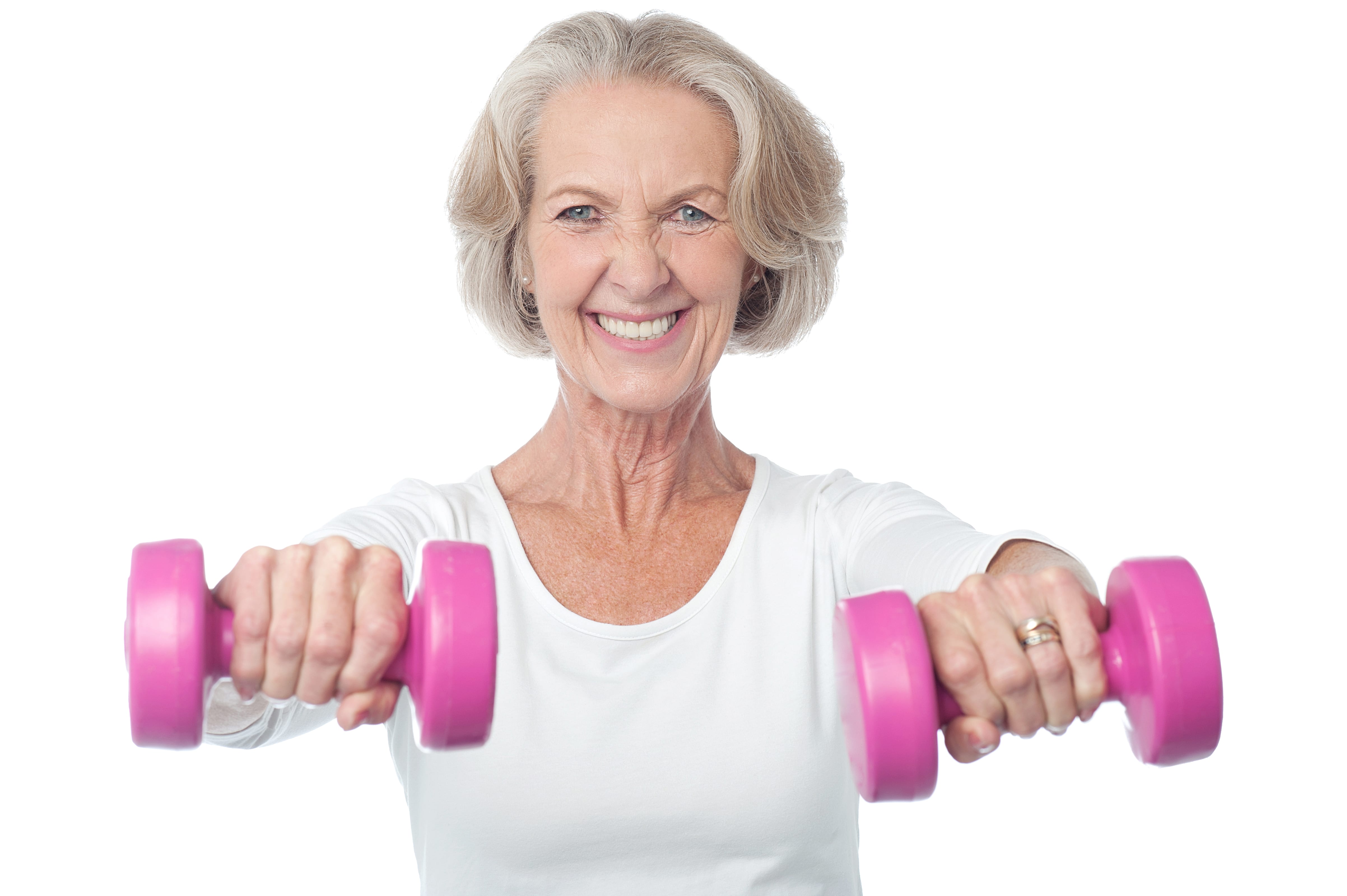
As oestrogen drops:
- Joints can become stiffer and more sensitive
- Cartilage becomes less resilient
- Inflammation and pain can increase
This is why many women experience:
- New shoulder pain (including frozen shoulder)
- Hip and knee stiffness
- Generalised joint aches
Even if they have never had issues before.
Tendon Pain and Reduced Load Tolerance
Many women also develop tendon-related pain during menopause, including:
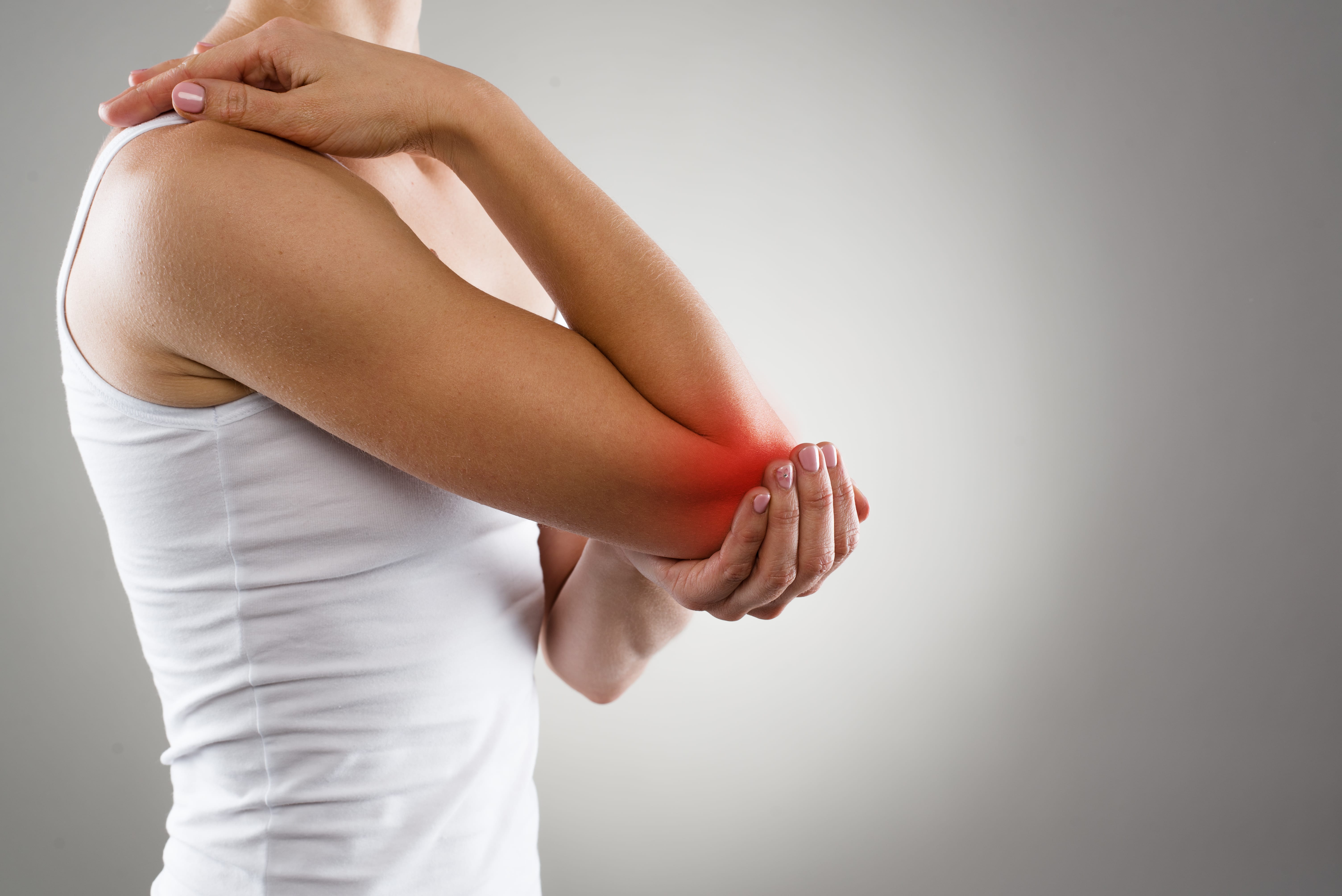
- Gluteal tendinopathy (hip pain)
- Achilles tendon pain
- Tennis elbow
This occurs because hormonal changes affect how tendons respond to load and repair.
During this phase:
- Tendons become less elastic
- Load tolerance decreases
- Recovery slows down
This often leads to the feeling that:
“My body can’t handle exercise the way it used to.”
Muscle Loss, Strength Decline and Metabolic Changes
From around the late 30s onwards — and more rapidly during menopause — women experience a natural loss of muscle mass.
This results in:
- Reduced strength
- Less joint support
- Slower metabolism
These changes contribute to:
- Increased injury risk
- Difficulty maintaining weight
- Reduced tolerance to exercise and daily activity
Without targeted strength training, this process accelerates — which is why exercise needs to evolve during this stage of life.
Pelvic Floor Changes and Hormonal Influence
The pelvic floor is particularly sensitive to hormonal changes.
As oestrogen declines:
- Pelvic tissues become thinner and less supportive
- Muscle function may weaken or become less coordinated
- Bladder and bowel control can change
This can lead to:
- Urinary leakage
- Urgency or frequency
- Pelvic heaviness or prolapse symptoms
- Discomfort or pain
These are common changes during menopause — but they are not something you have to live with.
Recovery, Fatigue and Nervous System Changes

Many women also notice:
- Poorer recovery from exercise
- Increased fatigue
- Pain that lingers longer than expected
This is influenced by:
- Sleep disturbances
- Hormonal effects on energy systems
- Increased nervous system sensitivity
It can feel like your body is “not responding” — when in reality, it simply requires a different approach to load, recovery and progression.
Why This Matters for Your Treatment

These changes explain why:
- Previous exercise routines stop working
- Injuries appear without obvious cause
- Symptoms persist longer than expected
The key is not to stop activity — but to adapt how your body is supported, strengthened and progressed.
With the right physiotherapy and exercise approach, these changes can be managed effectively — allowing you to stay active, strong and confident.
Why is menopause treatment important?
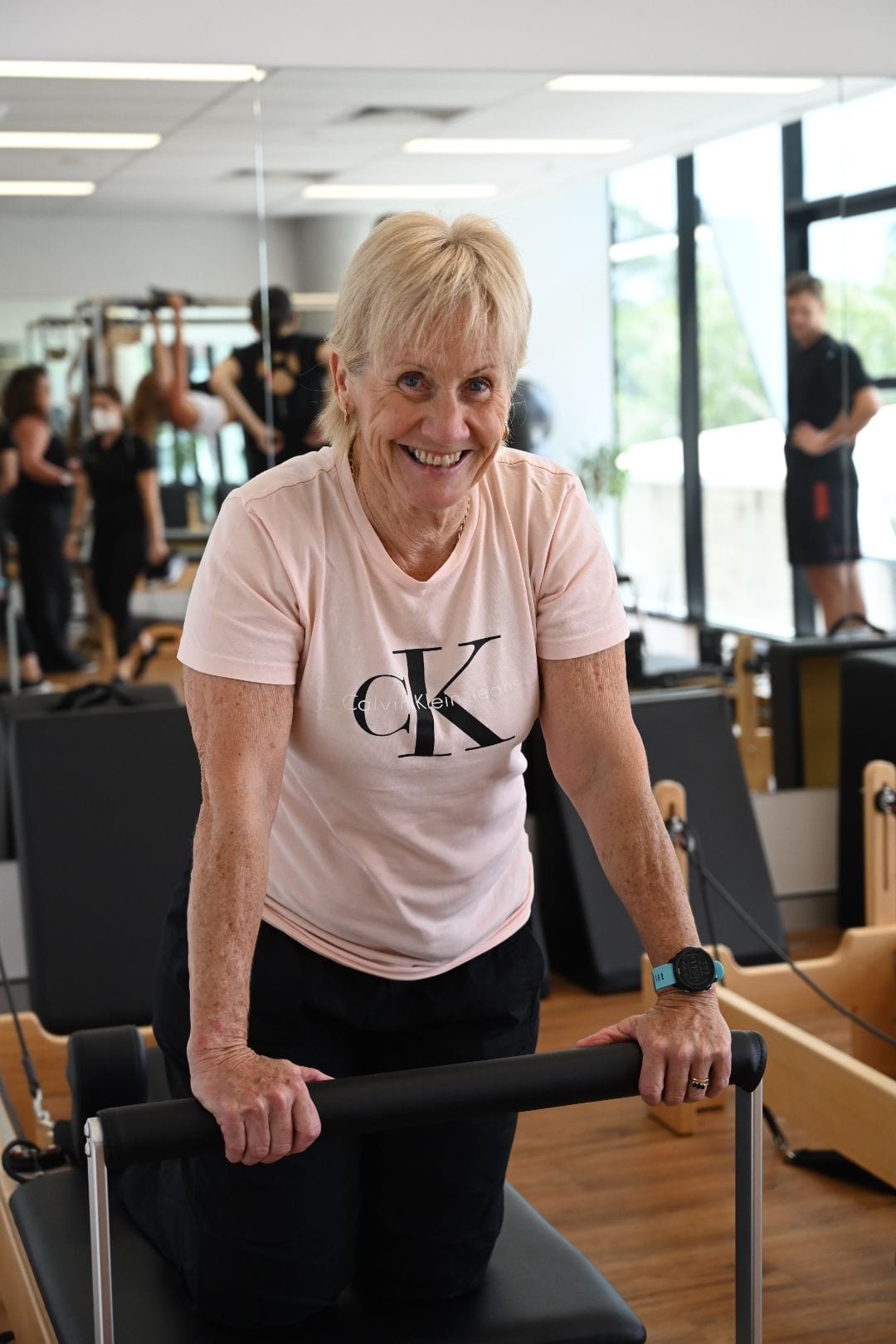
Perimenopause and menopause bring significant hormonal changes that can affect how your body functions and feels. These changes don’t just
impact your cycle, but also can influence your pelvic floor, bladder and bowel function, sexual health, bone density, and overall strength.
How Revive can help:
-
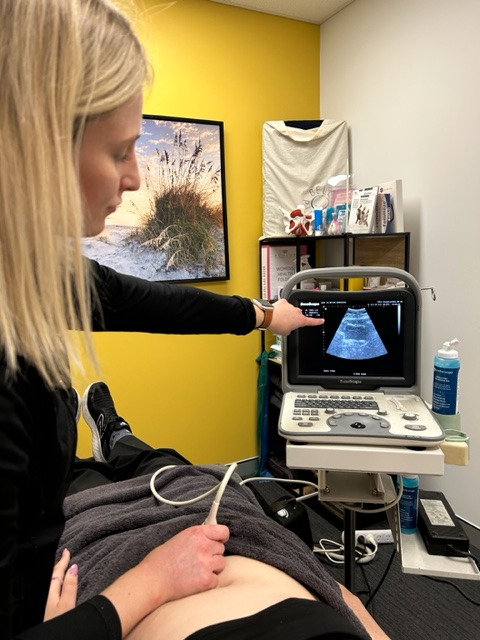
Pelvic floor assessment & training
Learn how to properly activate and relax your pelvic floor to improve bladder control, reduce prolapse symptoms, and support sexual function.
-
Strength & resistance exercise
Maintain muscle mass, support metabolism, and protect bone density—key factors affected by hormonal changes.
-
Bone health & load management
Safe, progressive exercise to reduce the risk of osteoporosis and fractures. We have healthy bones exercise groups run by our exercise physiologist: click here. -
Pain management & movement strategies
Address joint aches, stiffness, or discomfort so you can keep doing what you love.
-
Education & body awareness
Understand what’s happening in your body and feel confident managing symptoms day-to-day. -
Nutrition and Dietitian services to support your body
Address supporting your body's hormonal changes with diet and food interventions as well as advice on supplementation
Common Symptoms We Treat During Perimenopause and Menopause
Musculoskeletal symptoms
- Joint pain and stiffness
- Frozen shoulder
- Tendon pain (gluteal, Achilles, elbow)
- Back and neck pain
.
Pelvic health symptoms
- Urinary leakage
- Pelvic heaviness or prolapse
- Pain with intimacy

Systemic and hormonal symptoms
- Fatigue and poor recovery
- Sleep disturbances
- Reduced muscle strength
- Weight gain and metabolic changes
Click here for more info on our nutrition and dietetics services
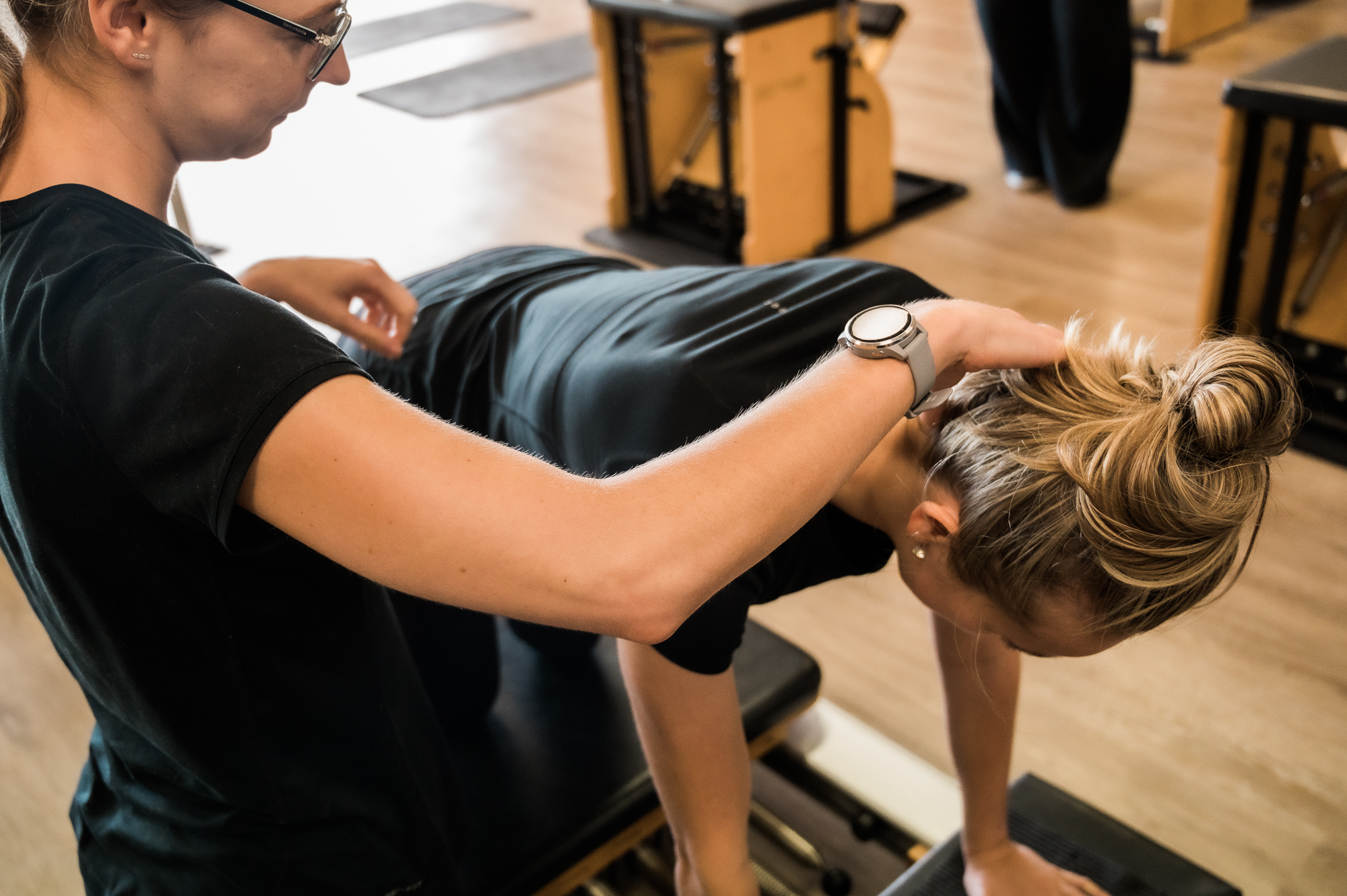
Exercise therapy to support your body through menopause
If you are looking for an exercise program to complement your physio treatment, which is tailored specifically to your body's then why not try exercise therapy? At Revive, we have many options for you to find the right, supportive environment for you. You will feel supported to strengthen and improve your health whilst not overlooking your pelvic floor and symptoms.
Click HERE to find out more!
What to Expect
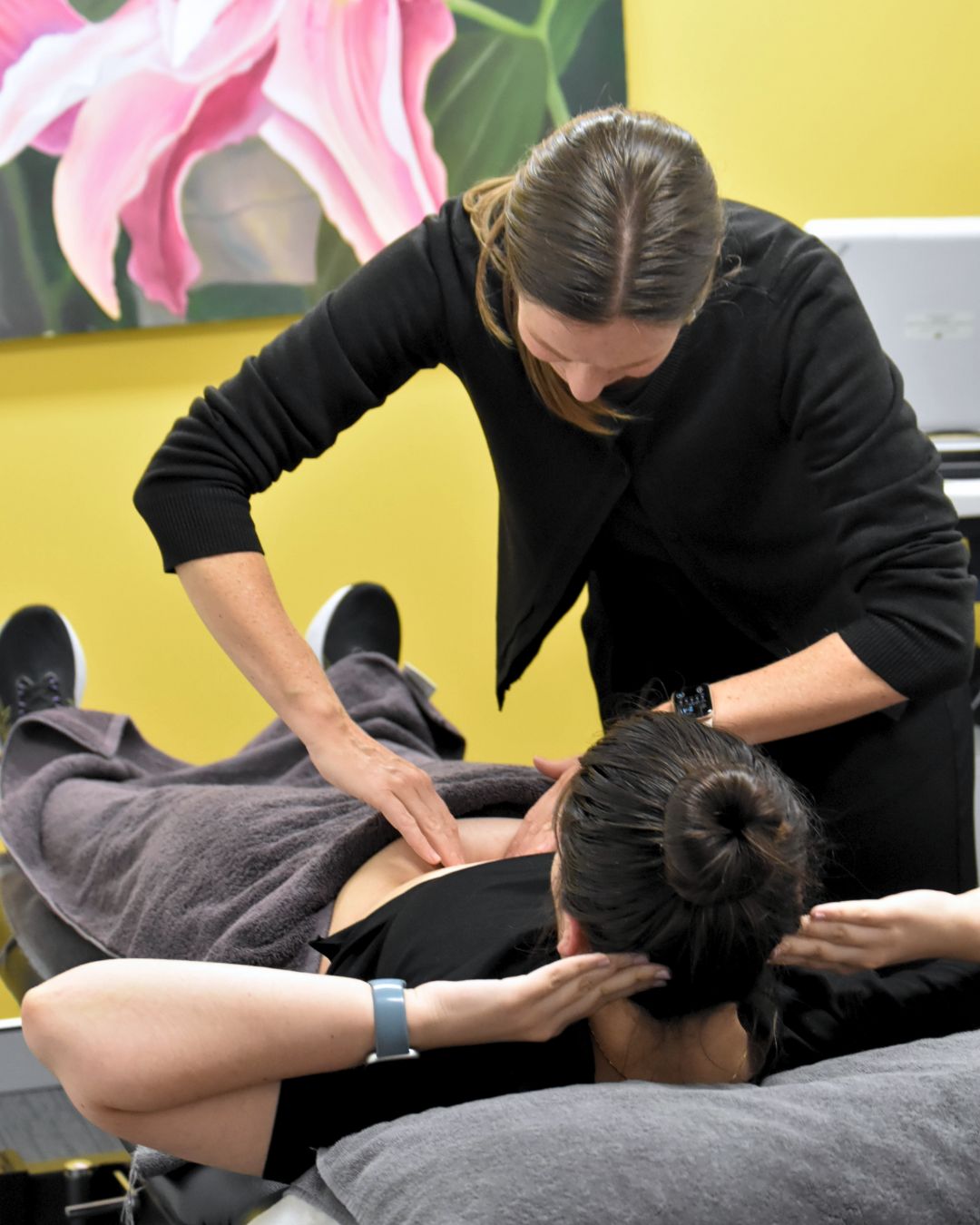
Your journey begins with a thorough assessment where we listen to your concerns, examine your movement, and identify the root cause of your symptoms.
We begin the assessment by taking a thorough history. We need to know when your symptoms started and what your current concerns are. You may feel that you have an extensive story - that's okay! It is important to understand the full background of what has led to your appointment. Sending through any medical or gynaecological history such as doctor's letters or scans can be extremely helpful.
In most cases, the best way to assess pelvic floor function is by conducting an internal pelvic or vaginal
examination. Please let us know if you are comfortable with this.
We focus not just on symptom relief, but on empowering you to return to the activities you love—stronger and
more confident than before.