.svg)
Women’s Health & Pelvic Floor Physiotherapy in West End Brisbane
Evidence-based physiotherapy for pelvic pain, incontinence, pregnancy care and post-natal recovery delivered by experienced women’s health physiotherapists at Revive West End.
If you’re looking for women’s health physiotherapy in West End Brisbane, our experienced pelvic health physiotherapists
provide assessment and treatment for conditions including pelvic pain, bladder leakage, pregnancy-related pain, pelvic organ prolapse and
post-natal recovery.
Women's Health Services at Revive focus on the management of the many conditions that can arise throughout a woman's lifespan. We offer
specific assessment and treatments of pelvic floor disorders, bladder conditions, prolapse, incontinence and much more. We provide pre and
post natal physiotherapy care. Scroll down to meet Jess and Kat, our WH Physiotherapists, and for more info on our services and how to
book.
.png)
PELVIC PAIN AND OPERATIVE CARE
Treatment for pelvic pain conditions including vaginismus and endometriosis...
PREGNANCY (PRE NATAL) PHYSIOTHERAPY
We provide specialised physiotherapy care during your pregnancy from early weeks through to full-term...
INCONTINENCE PHYSIOTHERAPY
Treatment both stress urinary incontinence and overactive bladder/urgency and constipation management...
PELVIC ORGAN PROLAPSE
Treatment for pelvic organ prolapse includes a thorough assessment, advice, exercises and other interventions...
.png)
POST NATAL PHYSIOTHERAPY
Once you've had your bub the world is not the same as before. We understand the specific needs of new Mums and support women in early motherhood with a range of specialised services and exercise programs designed for new Mums...
.png)
PERIMENOPAUSE & MENOPAUSE
The years leading up to menopause are particularly challenging years. Followed by actual Menopause. We support women going through this
life stage with exercise, education, dietary advice...
 BOWEL
AND GUT HEALTH AND WOMEN'S HEALTH
BOWEL
AND GUT HEALTH AND WOMEN'S HEALTH
 BOWEL
AND GUT HEALTH AND WOMEN'S HEALTH
BOWEL
AND GUT HEALTH AND WOMEN'S HEALTH
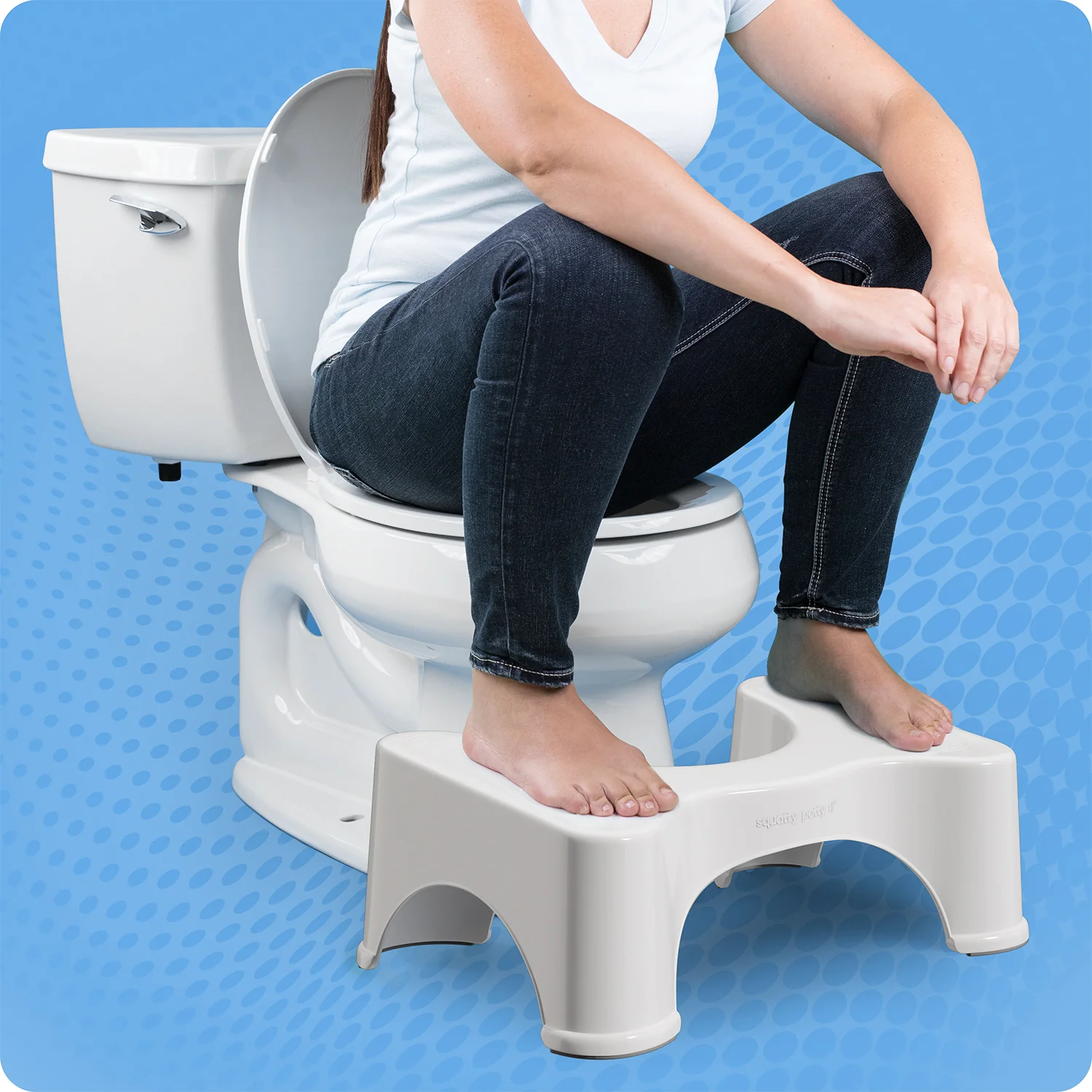
Bowel habits (in particular constipation) can be an issue that affects pelvic floor health and the risk of prolapse...

PESSARY FITTING
PHYSIOTHERAPY
At Revive we have 2 experienced Women's Health Physios who fit pessaries. Pessaries can be helpful as an adjunct to treatment of prolapse...
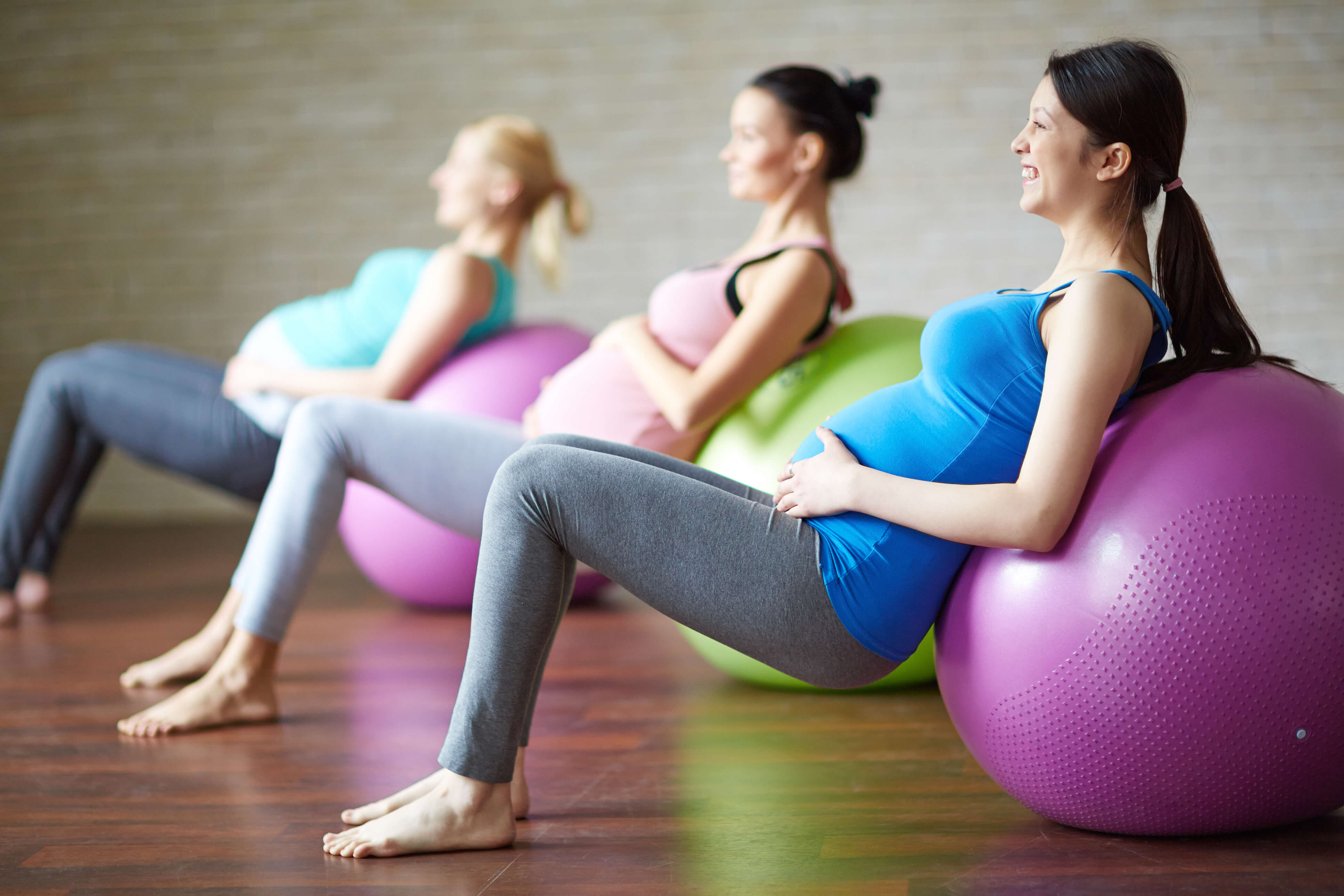
PREGNANCY PILATES AND CLASSES
Once you've had your bub the world is not the same as before. We understand the specific needs of new Mums and support women in this phase of motherhood with a range of specialised services and exercise programs designed for new mums...
.png)
MASTITIS PHYSIOTHERAPY
Mastitis is a common and painful condition that can occur when breastfeeding. Usually caused by blocked milk ducts, mastitis can be treated using therapeutic ultrasound followed by expressing or feeding bub...
 PREPARING
FOR PREGNANCY PHYSIOTHERAPY
PREPARING
FOR PREGNANCY PHYSIOTHERAPY
Our Women's Health Physiotherapists will guide you with education, specific strategies and exercise to help you prepare for pregnancy and understand how the pregnancy and childbirth path looks...
MUMS AND BUBS CLASSES
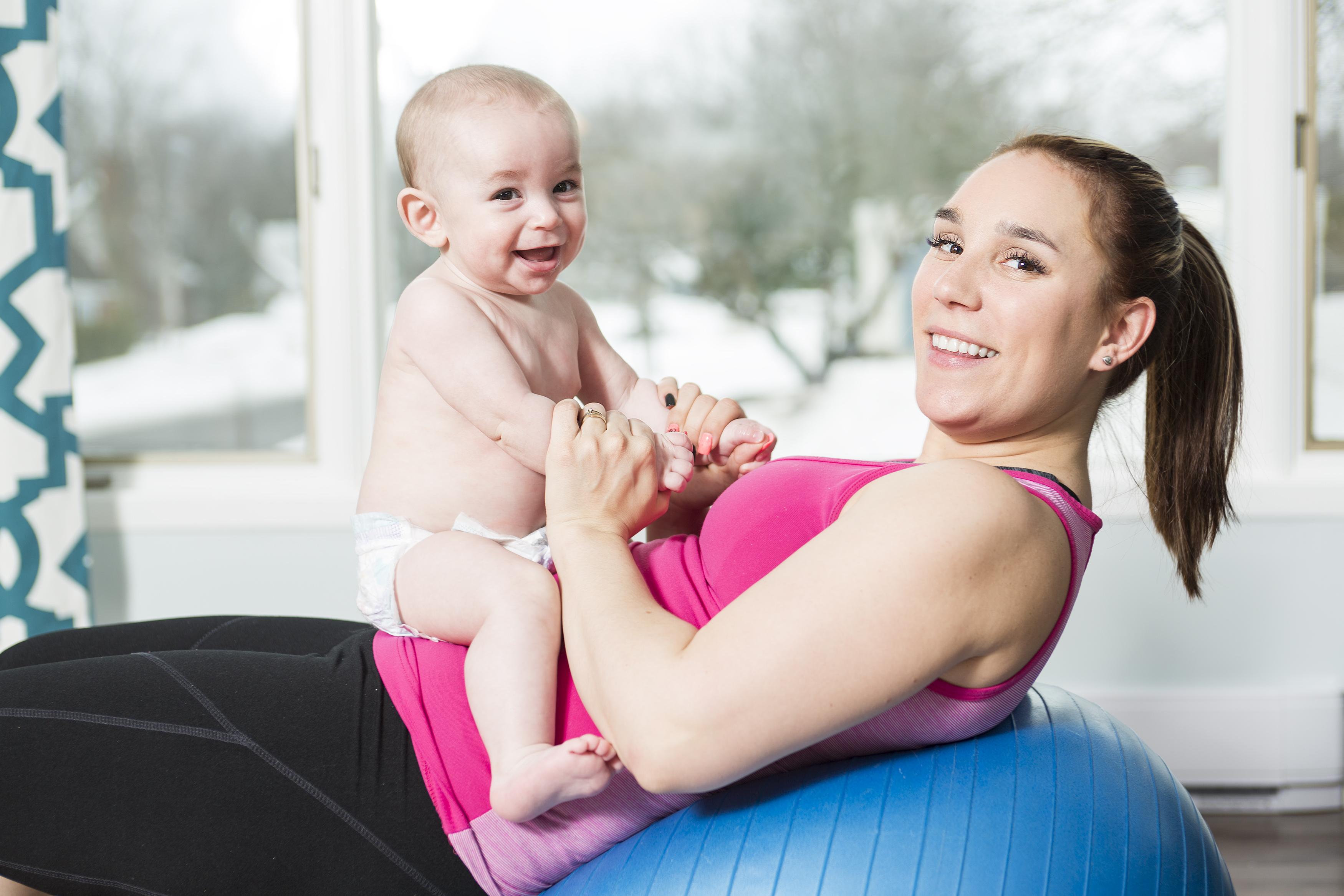
We run classes at Revive for Mum and Bub to attend together. Bring Bub along with a pram and we juggle mums and bubs so you can get a workout in without hiring a babysitter...
What is Women's Health Physiotherapy?
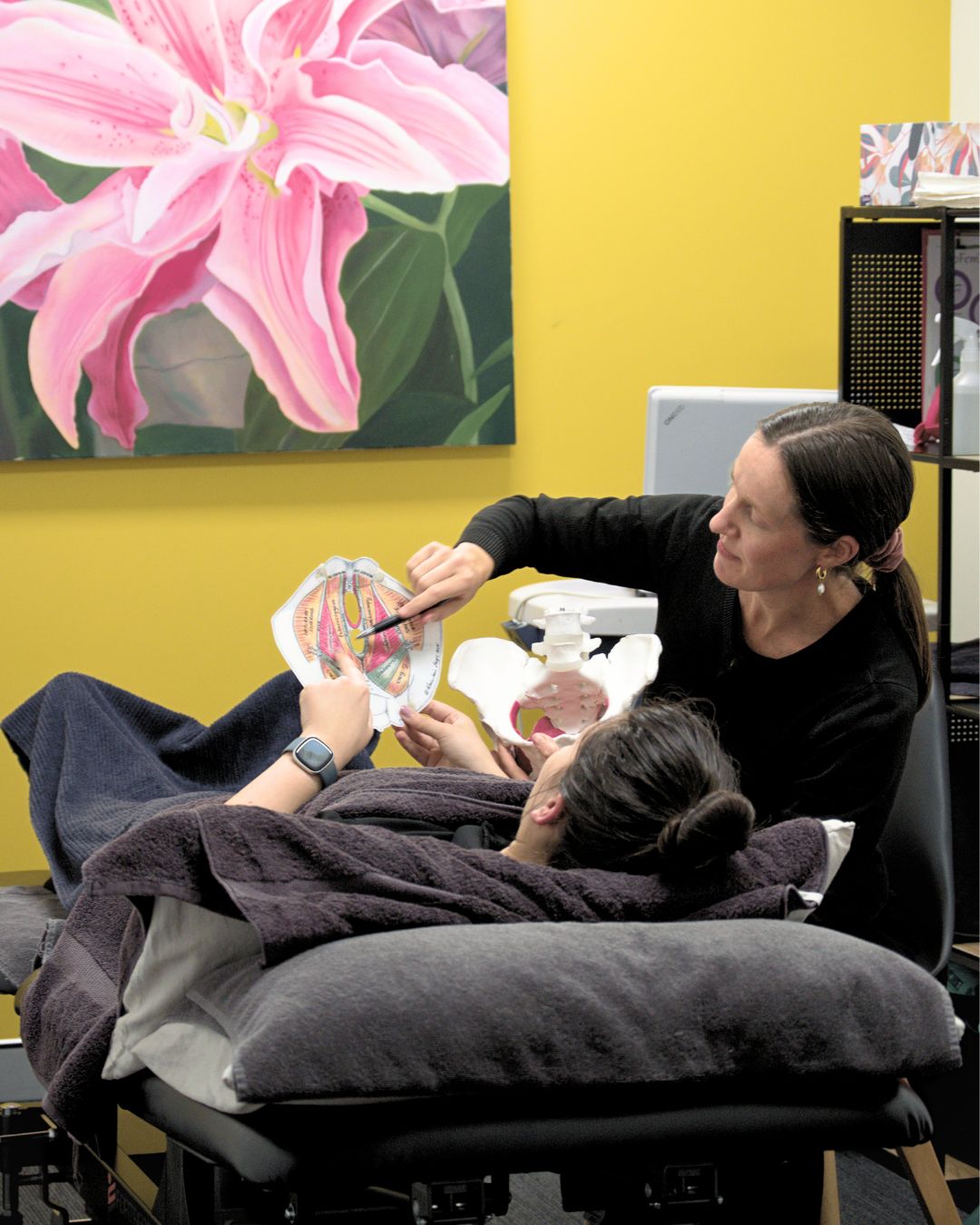
Our physiotherapists are trained to assess and provide treatment to conditions affecting women
throughout all stages of life, including:
-
Incontinence including both stress incontinence and over active bladder or urgency or mixed
incontinence
- Pelvic organ prolapse
-
Pre and post natal care including education, prevention and treatment of pelvic floor and postural
dysfunctions
- Pre and post natal exercise based classes
- Pelvic pain conditions including endometriosis
- Mastitis and blocked milk ducts
- Pre and Post gynaecological surgeries
- Conditions causing pelvic pain such as vaginismus or endometriosis
- Abdominal separation
Meet Our Physiotherapists with specialised training in Women's Health
Jess Gelling
Jess is one of our senior physiotherapists. She has extensive post graduate training and experience in Women’s health physiotherapy and has been seeing patients in this area for over a decade. Jess has a gentle and understanding approach to the assessment and management of all women’s health issues. Jess is experienced in fitting pessaries for the management of pelvic organ prolapse. As an experienced musculoskeletal physiotherapist, she is uniquely equipped to combine this knowledge with her Women’s health training to achieve optimal results for patients. She enjoys treating all Women throughout the lifespan, optimizing physical health and well being.
Kathleen Williams
Kat is one of our senior physiotherapists. She completed her Masters of Physiotherapy at the University of Queensland and has since worked in private practice both in Brisbane and Perth. She has gained a wide skill set working with musculoskeletal and sporting injures, and is also experienced in women's health, clinical pilates, hydrotherapy and dry needling. Kat is taking on new clients.
Post Graduate training:
- Female Pelvic floor Workshop: University of Newcastle
- Advanced clinical skills for Women’s Health Physiotherapists: Michelle Lyons
- Pilates Institute of Queensland: Mat work and Equipment
- Women’s Health Training Associates (WHTA): Women’s Health Physiotherapy Intensive Introductory Course
- WHTA: Pelvic Organ Prolapse and Stress Urinary Incontinence Advanced Course
- APA Women’s Pelvic health Physiotherapy level 1
- Regular yearly research updates and seminar
Post Graduate training:
- APA Continence and Women’s Health
- APPI Pilates Matwork and Equipment Level 1
- APPI Ante and Postnatal Pilates
- WHTA – Birth Choice
- WHTA – Annual Research Update
- APA Women’s Pelvic Health Physiotherapy Level 1
- APA Women’s Health Through the Life Stages
- Regular research updates and seminars
Frequently Asked Questions