.svg)
Post-Natal Physiotherapy at Revive West End Brisbane
.png)
The post-birth period can bring many physical changes and challenges as your body recovers from pregnancy and childbirth.
At Revive West End Brisbane, our women’s health physiotherapists provide gentle, evidence-based care to support your recovery after
birth,
helping you regain strength, confidence and comfort in your body.
Post-natal physiotherapy focuses on restoring the strength and coordination of the pelvic floor, abdominal muscles and whole body movement patterns following pregnancy and delivery. Whether you had a vaginal birth or caesarean section, physiotherapy can help guide safe recovery and support your return to exercise, work and daily life.
Many women benefit from post-natal physiotherapy even if they are not experiencing obvious symptoms, as pregnancy and childbirth place significant stress on the body’s muscles, joints and connective tissues.
At Revive, our goal is to help you heal well, rebuild strength and return to the activities you love.
How Post-Natal Physiotherapy Can Help
Following pregnancy and childbirth, the body undergoes many changes. Post-natal physiotherapy can help address common concerns and support safe recovery.
Our physiotherapists can assist with:
Pelvic Floor Recovery and Strengthening
Pregnancy and childbirth place significant load on the pelvic floor muscles, which support the bladder, bowel and uterus.
Post-natal physiotherapy helps restore pelvic floor strength, coordination and endurance. This may help reduce symptoms such as bladder leakage, pelvic heaviness or reduced pelvic floor control.
A physiotherapist can assess pelvic floor function and guide personalised exercises to rebuild strength safely.
Abdominal Muscle Rehabilitation (Including DRAM)
Many women experience a separation of the abdominal muscles during pregnancy known as diastasis rectus abdominis (DRAM).
Physiotherapy can help assess abdominal muscle function and guide rehabilitation exercises designed to:
- improve abdominal muscle strength
- support core stability
- assist healing of abdominal separation
- support the lower back and pelvis
Rebuilding abdominal strength is an important step before returning to higher-level exercise.
Managing Bladder or Bowel Leakage
Bladder leakage is common after childbirth but it is not something women should simply accept as normal.
Pelvic health physiotherapy can help assess the pelvic floor and provide targeted treatment strategies to improve bladder and bowel control.
Early intervention often leads to excellent improvement in symptoms.
Pain or Discomfort After Birth
Some women experience discomfort during daily activities or intimacy after childbirth. This may be related to muscle tension, scar tissue, pelvic floor dysfunction or changes in movement patterns following pregnancy.
Physiotherapy can help address concerns such as:
- pelvic pain
- perineal discomfort
- caesarean scar sensitivity
- lower back or pelvic girdle pain
- pain with intercourse
Treatment may include manual therapy, exercise and education to support comfortable recovery.
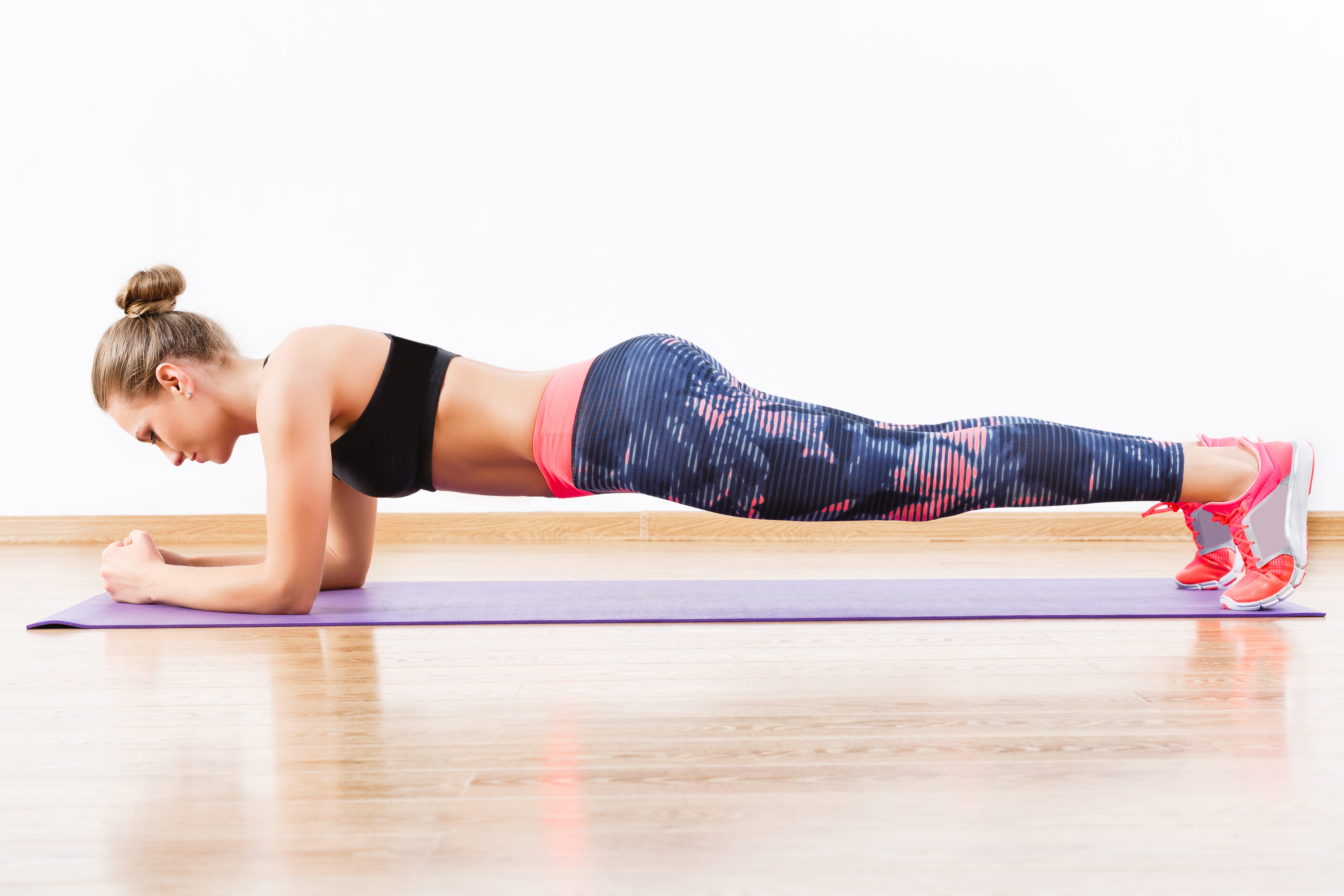
Guidance for Safe Return to Exercise
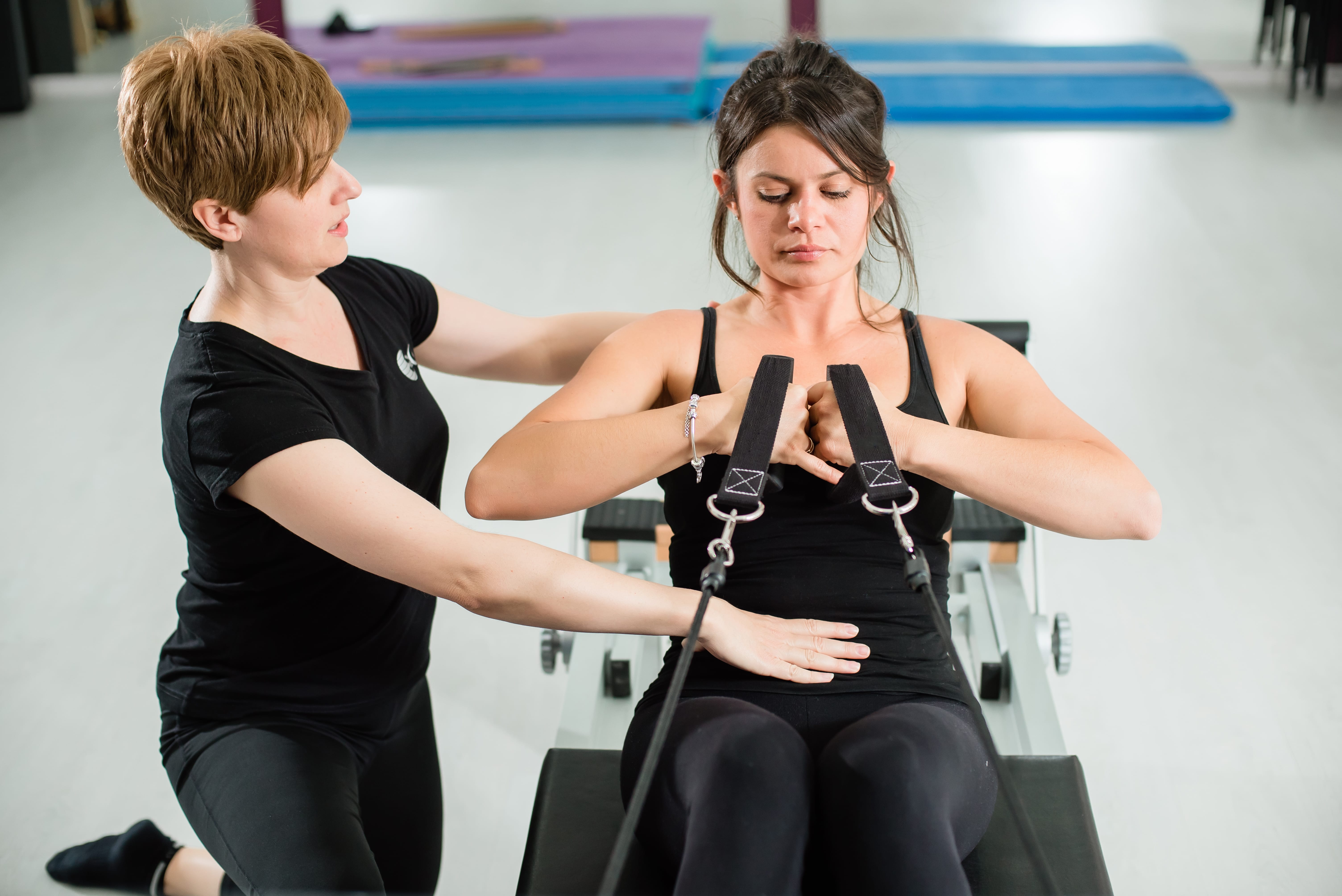
Returning to exercise after pregnancy requires careful progression. High-impact activities such as running, jumping or intense training place significant load on the pelvic floor and abdominal muscles.
Post-natal physiotherapy can guide a safe return to exercise, helping you rebuild strength gradually and reduce the risk of injury or pelvic floor symptoms.
At Revive, we often support women returning to activities such as:
- gym training
- Pilates
- running
- sport
- group exercise classes
When Should You See a Post-Natal Physiotherapist?
Many women benefit from a physiotherapy check-up after birth, even if they are not experiencing obvious symptoms.
Common reasons to see a physiotherapist after pregnancy include:
- pelvic floor weakness or bladder leakage
- abdominal muscle separation
- difficulty returning to exercise
- pelvic or lower back pain
- heaviness or pressure in the pelvis
- concerns about safe recovery after childbirth
A post-natal physiotherapy assessment can help identify areas that may benefit from targeted rehabilitation.
What to Expect at Your Post-Natal Physiotherapy Appointment
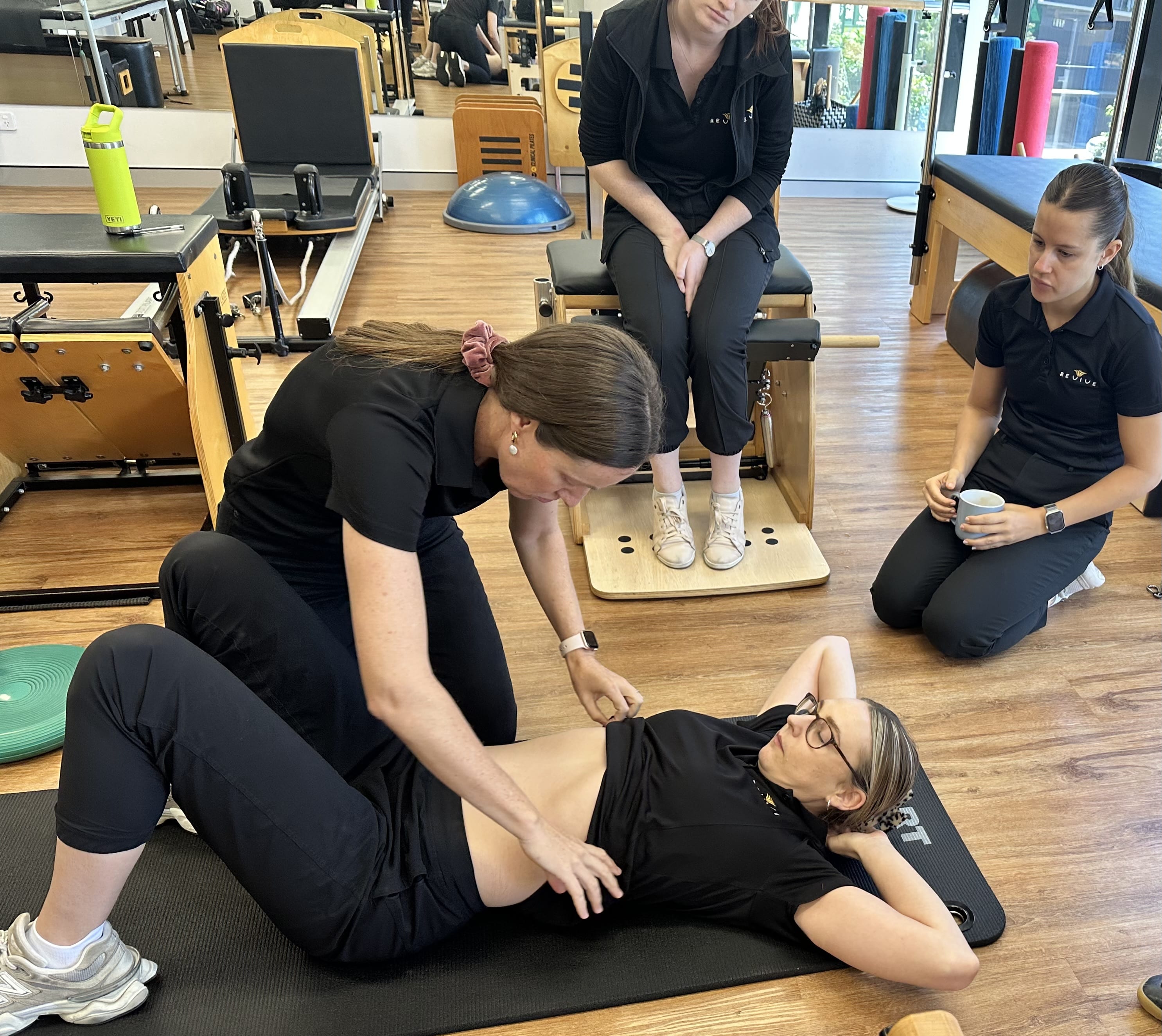
During your appointment, your physiotherapist will take time to understand your pregnancy, birth experience and current symptoms.
Assessment may include:
- discussion of your recovery goals
- evaluation of posture and movement patterns
- abdominal muscle assessment
- pelvic floor muscle assessment (with consent)
- guidance on appropriate exercises
Following the assessment, your physiotherapist will develop a personalised recovery plan tailored to your goals and stage of recovery.
Supporting Your Return to Strength and Confidence
At Revive West End Brisbane, our physiotherapists understand the unique physical demands of early motherhood.
Our approach to post-natal physiotherapy focuses on:
- evidence-based pelvic floor rehabilitation
- core and abdominal muscle recovery
- gradual return to exercise
- restoring whole-body strength and movement confidence
We aim to support women not only in recovering after childbirth but also in building long-term strength and resilience for the years ahead.
Book a Post-Natal Physiotherapy Appointment
If you have recently had a baby or are experiencing symptoms related to pregnancy or childbirth, physiotherapy can help support your recovery.
Our women’s health physiotherapists at Revive West End Brisbane provide personalised assessment and treatment to help you recover safely and return to the activities you enjoy.
Returning to Running After Pregnancy
Many women are eager to return to running after having a baby, but the
 body
needs time to recover from the physical demands of pregnancy and childbirth.
body
needs time to recover from the physical demands of pregnancy and childbirth.
Running places significant impact forces through the pelvic floor, abdominal muscles and lower limbs, and returning too quickly can increase the risk of symptoms such as bladder leakage, pelvic heaviness or musculoskeletal pain.
A post-natal physiotherapy assessment can help determine whether your body is ready to begin a gradual return to running.
Your physiotherapist may assess:
- pelvic floor strength and endurance
- abdominal muscle function
- control of the pelvis and hips during movement
- lower limb strength and balance
- running mechanics and impact control
Based on this assessment, your physiotherapist can guide a progressive return-to-running program that gradually increases load while protecting the pelvic floor and core muscles.
This approach helps many women return to running safely while reducing the risk of injury or pelvic floor symptoms.
Exercise and Recovery After a Caesarean Birth
Recovering from a caesarean section (C-section) involves healing from both pregnancy and abdominal surgery. The abdominal muscles and connective tissues require time to recover, and scar tissue may influence movement patterns and core strength.
Post-natal physiotherapy can help support recovery following a caesarean birth by addressing:
- abdominal muscle rehabilitation
- caesarean scar mobility and sensitivity
- core stability and posture
- pelvic floor recovery
- safe return to exercise
Physiotherapists can also guide gradual progression back to activities such as walking, strength training, Pilates and running once healing has progressed appropriately.
Treatment may include gentle exercises to restore abdominal strength, breathing and core coordination, and strategies to improve comfort and mobility around the surgical scar.
With appropriate rehabilitation and guidance, most women are able to return to exercise and physical activity safely after a caesarean birth