.svg)
Pessary Fittings
Pessary fittings at Revive

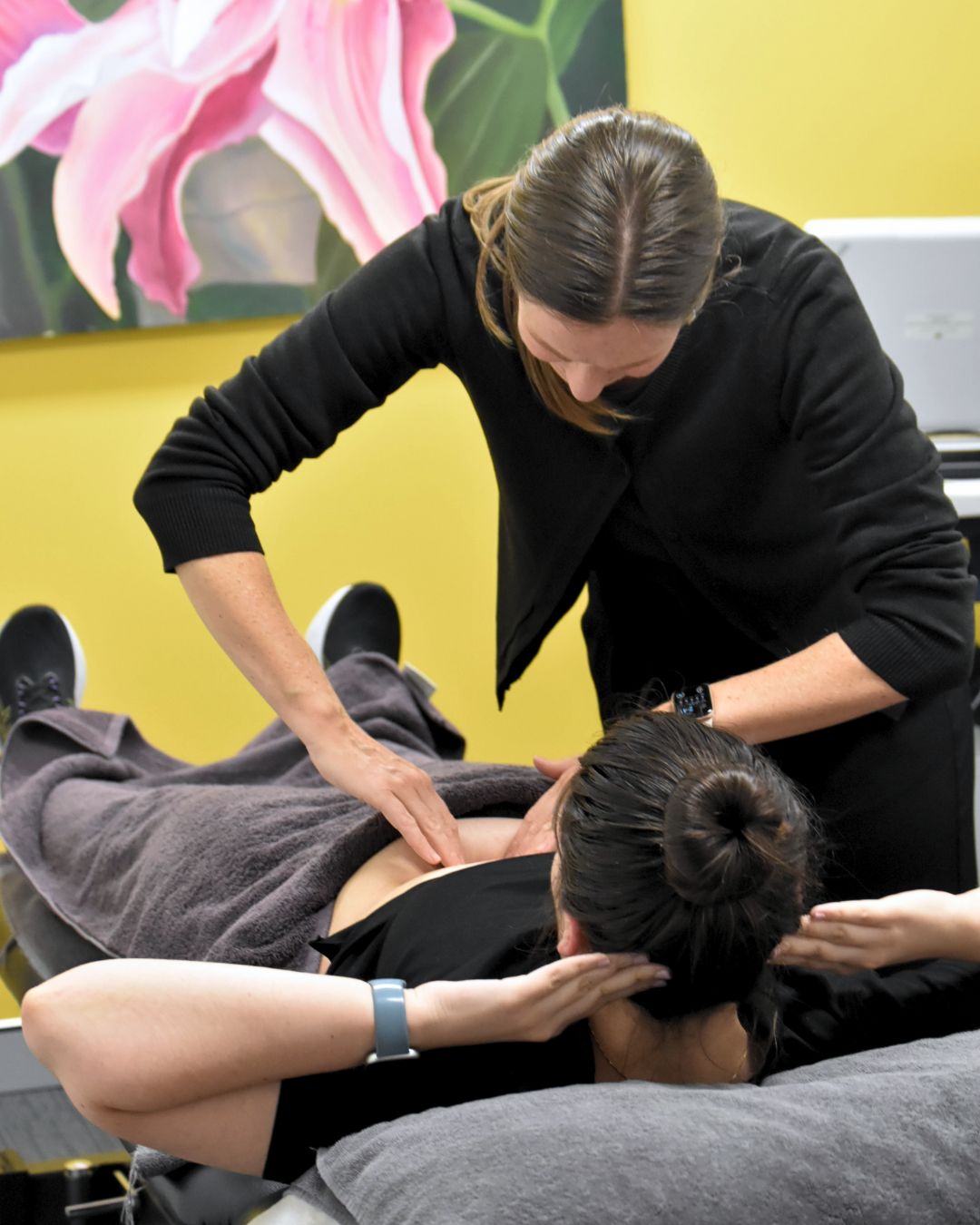
Our physiotherapists are equipped to fit pessary devices that are flexible silicon rings placed inside the vagina to support the bladder, uterus and rectum to reduce symptoms of heaviness.
How long do I leave my pessary in place?
- It depends on the type of pessary that's needed. Some can be left in for weeks and others need to be removed daily.
Can I have sex with a pessary in place ?
- Again, it depends on the type of pessary. Some need to be removed and others can remain in situ.
Does a pessary increase the risk of infection or odour?
- Like any foreign matter in the body, there is always a small risk - your physiotherapist will discuss with you how to minimise this.
Is it painful to have fitted or have in situ?
- No, your pessary should be comfortable. It may take several trials of different pessaries to find the one that best suits you.
Are pessaries one size fits all?
- Pessaries come in several different sizes to ensure comfort and effectiveness and you need to be fitted for a pessary by one of our Women's Health Physiotherapists
Women's Health Physio and pelvic organ prolapse
Pelvic organ prolapse happens when the muscles and tissues that support the pelvic organs (bladder, uterus, bowel) become stretched or weakened. This can cause one or more of these organs to drop into the vaginal space.
You might notice:
- A feeling of heaviness, pressure, or bulging in the vagina
- Bladder changes, such as leaking or difficulty emptying
- Bowel changes, such as constipation or incomplete emptying
- Discomfort during exercise, standing, or intimacy
Prolapse is common after pregnancy, childbirth, or menopause, but it can also happen at other times in life.Our goal is to help you feel understood, supported, and empowered with a treatment plan tailored to you and your goals.
Your physiotherapy program may include:
-
Pelvic floor assessment and treatment – evidence-based techniques to release tension or strengthen where needed
- Bladder and bowel education – so you can better understand your condition and how to support it
- Exercise and movement therapy – to restore strength, flexibility, and confidence
- Relaxation and breathing techniques – to reduce tension and pain flare-ups